Fall Wedding Flowers: Seasonal Ideas for a Warm, Romantic Celebration
Fall wedding flowers bring rich color, natural texture, and warmth to autumn celebrations. From romantic custom bouquets filled with dahlias and roses to seasonal flower arrangements featuring burgundy, terracotta, cream, and greenery, the right blooms can help set the tone for your entire wedding day. Whether you’re choosing a bridal bouquet, coordinating centerpiece arrangements, or adding floral accents throughout your venue, fall offers plenty of beautiful ways to create a cohesive wedding look.
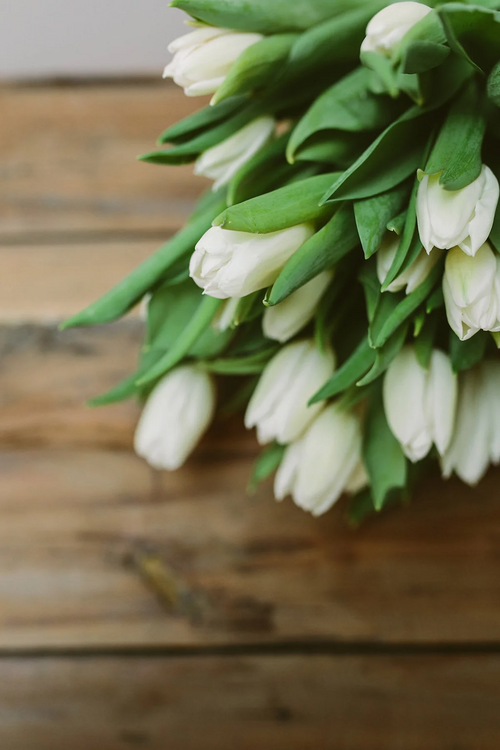 Designer's Choice : Seasonal Mix from$45.00
  Seasons In Bloom Design from$155.00
 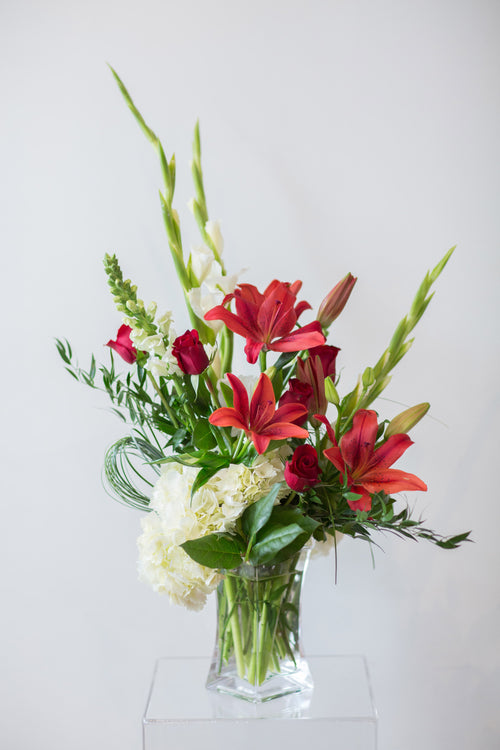 Modern Luxe Design from$135.00
 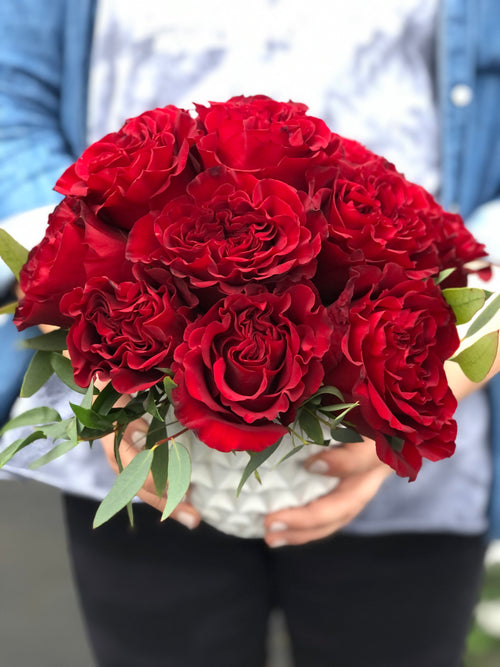 Pavé Rose Arrangement $165.00
 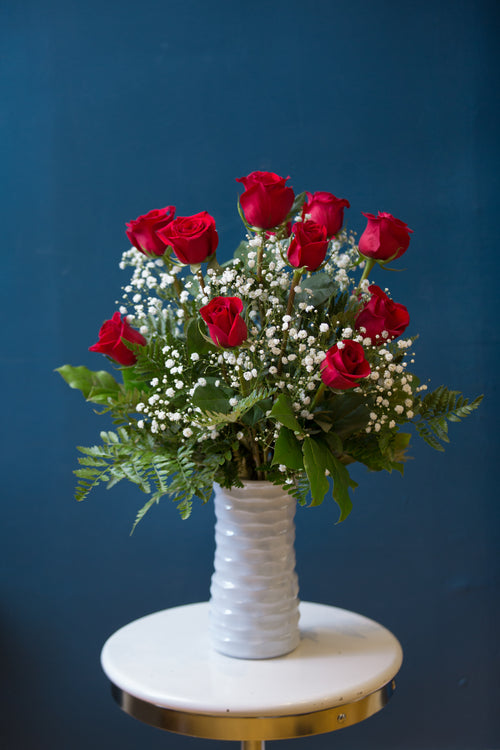 Classic Rose Bouquet with a Vase $115.00
 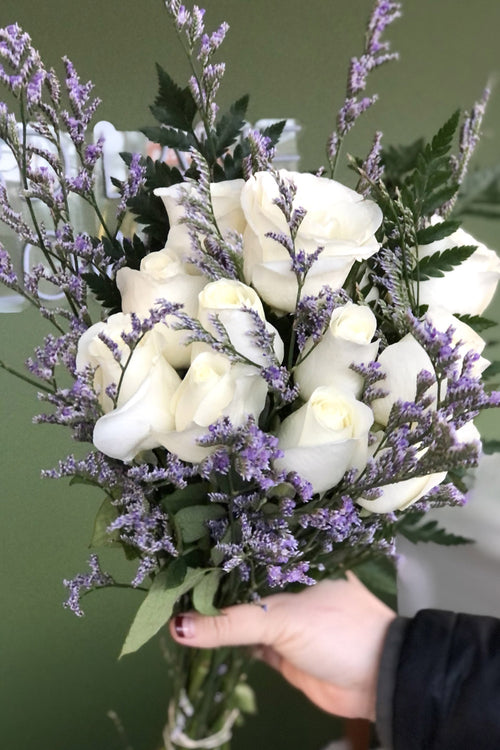 Classic Rose Bouquet - Handtied Design from$80.00
 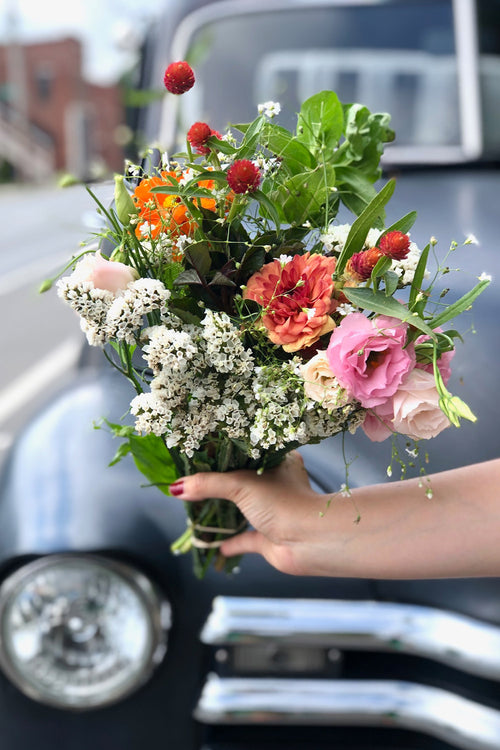 Rosie Bouquet - On The Road Edition from$75.00
  Bouquet & Chocolates Gift Set $55.00
 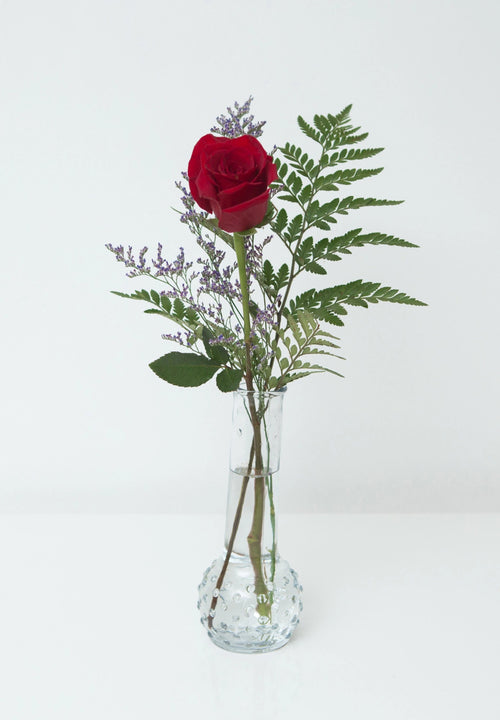 Budvase Bloom from$15.00
Why Fall Wedding Flowers Feel So Special
Fall wedding flowers are known for their depth and texture. Unlike the airy pastels of spring or the bright, bold blooms of summer, autumn florals often feel layered, warm, and a little more dramatic.
This is the season for rich color palettes, interesting greenery, and natural accents that make arrangements feel full and inviting. A fall bouquet might include soft blooms, structured flowers, trailing greenery, berries, or even dried elements for added texture.
The result is floral design that feels romantic without being overly formal.
Popular Fall Wedding Flower Colors
One of the best parts of planning fall wedding flowers is choosing the color palette. Autumn gives couples so much room to play with both bold and subtle tones.
Classic fall colors include burgundy, rust, burnt orange, golden yellow, deep red, plum, and chocolate brown. These shades feel warm and seasonal, especially when paired with greenery or candlelight.
For a softer look, many couples choose blush, ivory, champagne, mauve, dusty rose, or warm cream. These colors still feel appropriate for fall, but they create a more romantic and understated style.
Terracotta has also become a favorite for fall weddings. It pairs beautifully with peach, cream, sage green, and deeper wine-colored blooms.


Seasonal Fall Wedding Flower Ideas
Many beautiful flowers work well in fall wedding designs. Dahlias are one of the season’s most loved blooms, known for their shape, texture, and wide range of colors. They can feel playful, elegant, or dramatic depending on the arrangement.
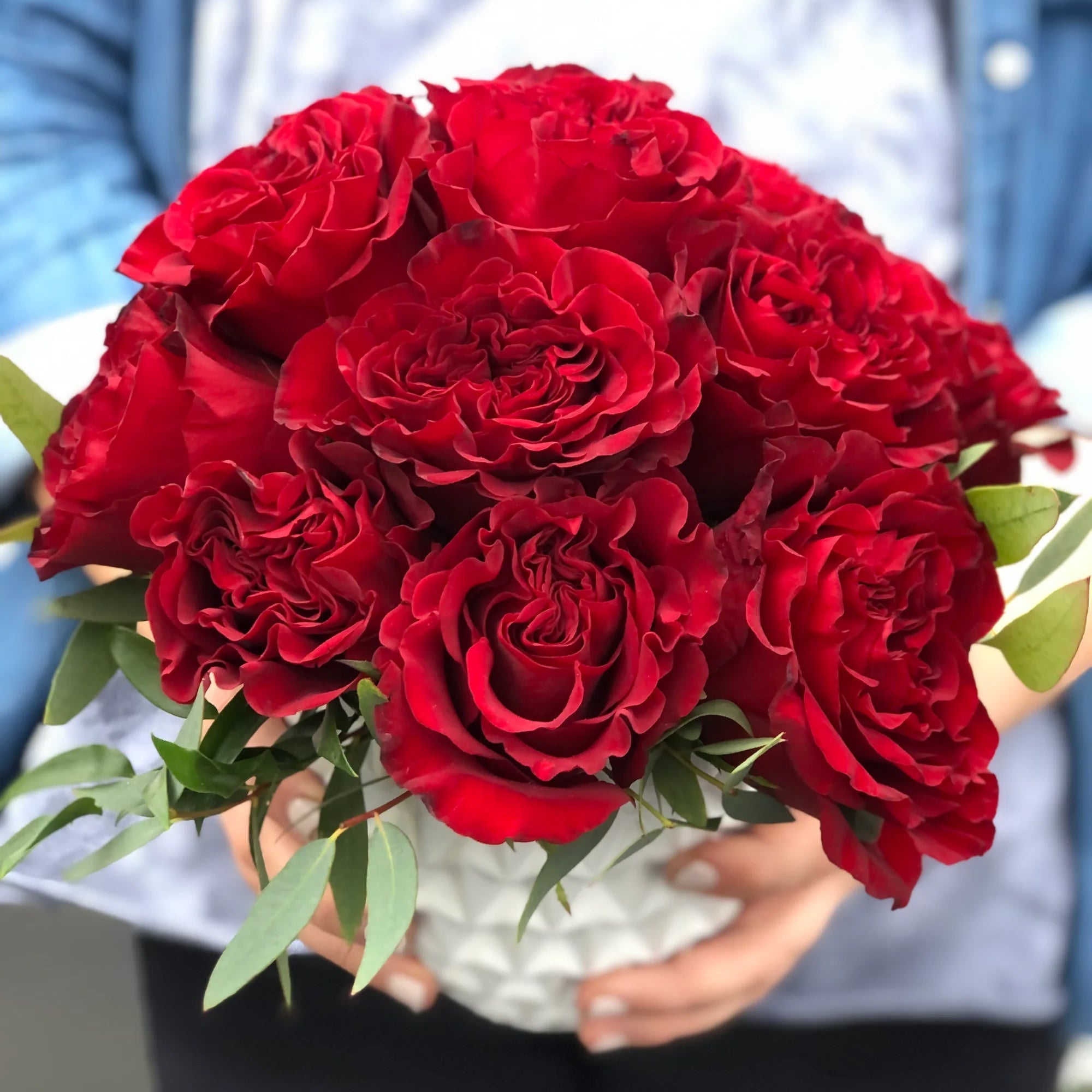
Roses are another classic option. They work beautifully in fall palettes and can be used in bouquets, boutonnieres, centerpieces, and ceremony arrangements.
Chrysanthemums, often called mums, bring fullness and texture to arrangements. They are especially lovely in autumn-inspired designs with warm colors and layered greenery.
Calla lilies can add a sleek, elegant feel, especially in deeper shades like burgundy, plum, or soft ivory. Zinnias are another cheerful option for couples who want color and personality.
Hydrangeas can help create volume in bouquets and centerpieces, especially when paired with more delicate blooms. Greenery such as eucalyptus, olive branches, or seasonal foliage can soften arrangements and make them feel more natural.
Berries, seed pods, dried grasses, and other textural accents can also bring a fall arrangement to life. These details are especially beautiful for rustic, garden-inspired, or moody wedding designs.
How to Use Fall Flowers Throughout the Wedding
Fall wedding flowers can be used in so many meaningful ways throughout the day. The bridal bouquet is often the starting point, setting the tone for the rest of the floral design.
Boutonnieres and corsages can include small seasonal touches that coordinate with the bouquet, such as textured greenery, berries, or a single bloom in the wedding palette.
For the ceremony, fall flowers can frame the aisle, decorate an arch, or add warmth to the altar area. These arrangements help create a beautiful focal point for the vows and photos.
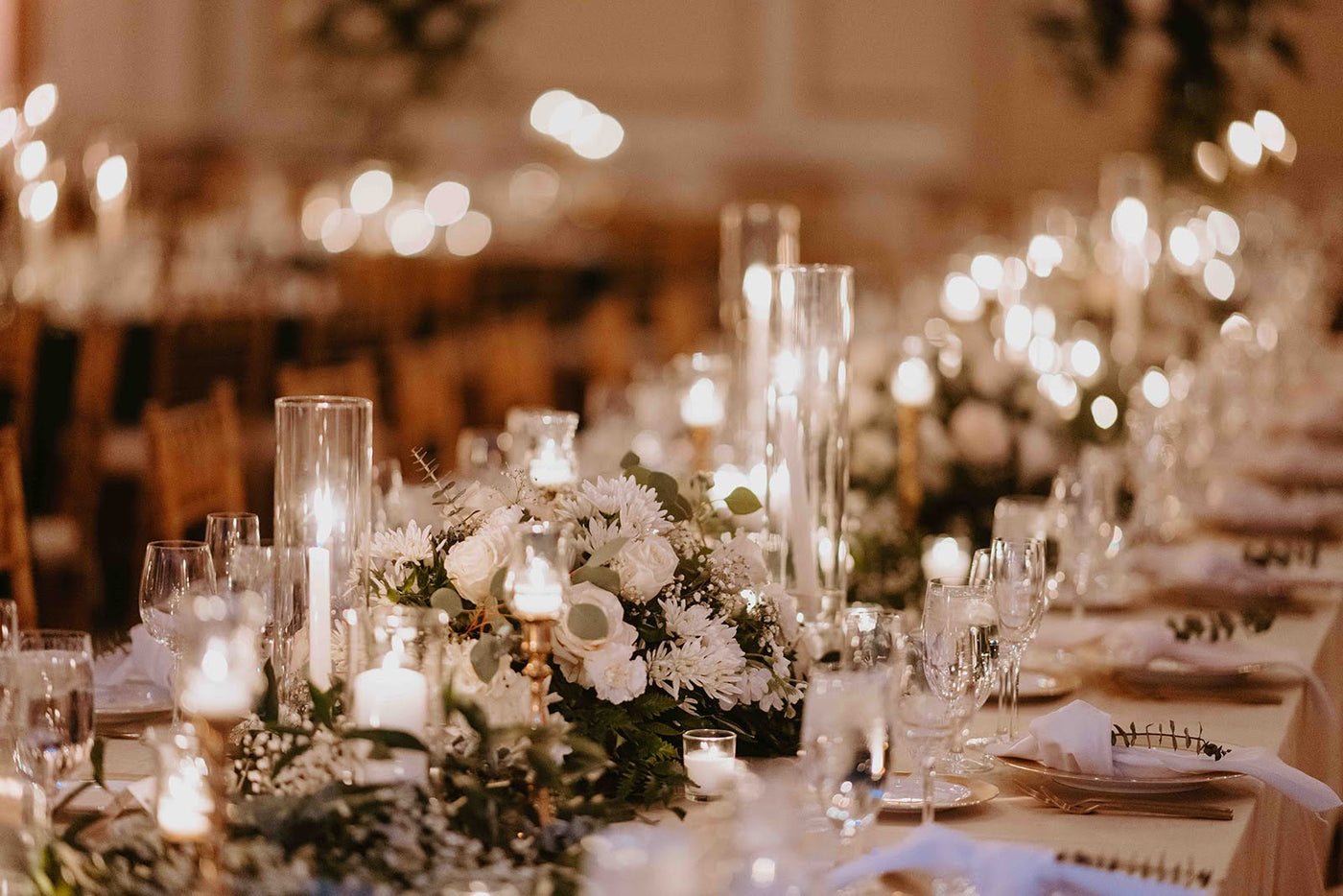
At the reception, centerpieces are one of the most important floral details. Low arrangements with candles can feel intimate and romantic, while taller designs can add drama to a larger space.
Flowers can also be used on welcome signs, seating charts, bars, cake tables, and guest book tables. These smaller touches help the entire wedding feel cohesive.
Planning Tips for Fall Wedding Flowers
When planning fall wedding flowers, it helps to stay flexible. Some flowers may be more available at certain points in the season, and your florist can suggest the best options based on your date, colors, and overall style.
It is also helpful to think about your venue. A barn, garden, ballroom, restaurant, or historic space may all call for slightly different floral choices.
If you are working within a specific budget, seasonal blooms, greenery, and mixed centerpiece styles can help create a beautiful look without overcomplicating the design.
Most importantly, choose flowers that feel like you. Fall gives couples so many ways to create something warm, memorable, and full of personality.
Final Thoughts
Fall wedding flowers are rich, romantic, and full of possibility. With the right colors, textures, and seasonal details, your flowers can help create a celebration that feels beautiful from the first walk down the aisle to the final toast of the night.
At Orchard Lane Flowers, we love helping couples bring their wedding vision to life with flowers that feel personal, thoughtful, and unforgettable.
What flowers are best for a fall wedding?
The best fall wedding flowers blend rich seasonal focal blooms with varied greenery and textural accents:
- Dahlias & Roses: Essential focal blooms that bring rich color and romantic shape to fall wedding bouquets.
- Calla Lilies & Mums: Sleek burgundy or white calla lilies offer modern elegance, while chrysanthemums provide budget-friendly texture and body.
- Zinnias & Hydrangeas: Perfect for adding vibrant pops of color or lush volume.
- Berries & Textural Accents: Hypericum berries, eucalyptus, seed pods, and subtle dried grasses add natural movement to autumn wedding flowers.
What are the best color palettes for fall wedding flowers?
Popular fall wedding flower colors range from classic warm jewel tones to soft modern neutrals:
- Classic Autumn: Deep burgundy, rust orange, golden yellow, dark red, and plum for a traditional, cozy feel.
- Modern Soft Neutrals: Terracotta, blush, champagne, mauve, warm cream, and sage green for a romantic, elevated aesthetic.
- Moody Elegance: Rich berry, dark eggplant, and deep plum balanced by soft champagne or dusty rose accents.
How can couples make autumn wedding flowers feel seasonal without looking overly rustic?
To keep autumn wedding flowers feeling sophisticated rather than rustic, focus on elevated vessel and lighting choices:
- Modern Vessels: Swap mason jars for footed brass urns, sleek ceramics, or clear glass vessels.
- Refined Textures: Pair fresh dahlias and roses with delicate berry sprigs or greenery instead of heavy dried foliage.
- Ambient Lighting: Surround your fall wedding centerpieces with tall taper candles in clear glass hurricanes for a warm, elegant glow.
How far in advance should couples book fall wedding flowers?
Book your fall wedding flowers 6 to 9 months ahead to secure florist availability and reserve peak-season local blooms like dahlias.
How can couples save money on fall wedding flowers?
Focus on in-season blooms, repurpose ceremony aisle arrangements for the reception, and alternate full fall wedding centerpieces with ambient candle displays.
Are fall wedding flowers more expensive than spring or summer blooms?
Not necessarily. Choosing locally available autumn wedding flowers like dahlias, mums, and seasonal greenery keeps costs comparable to or lower than out-of-season spring imports.
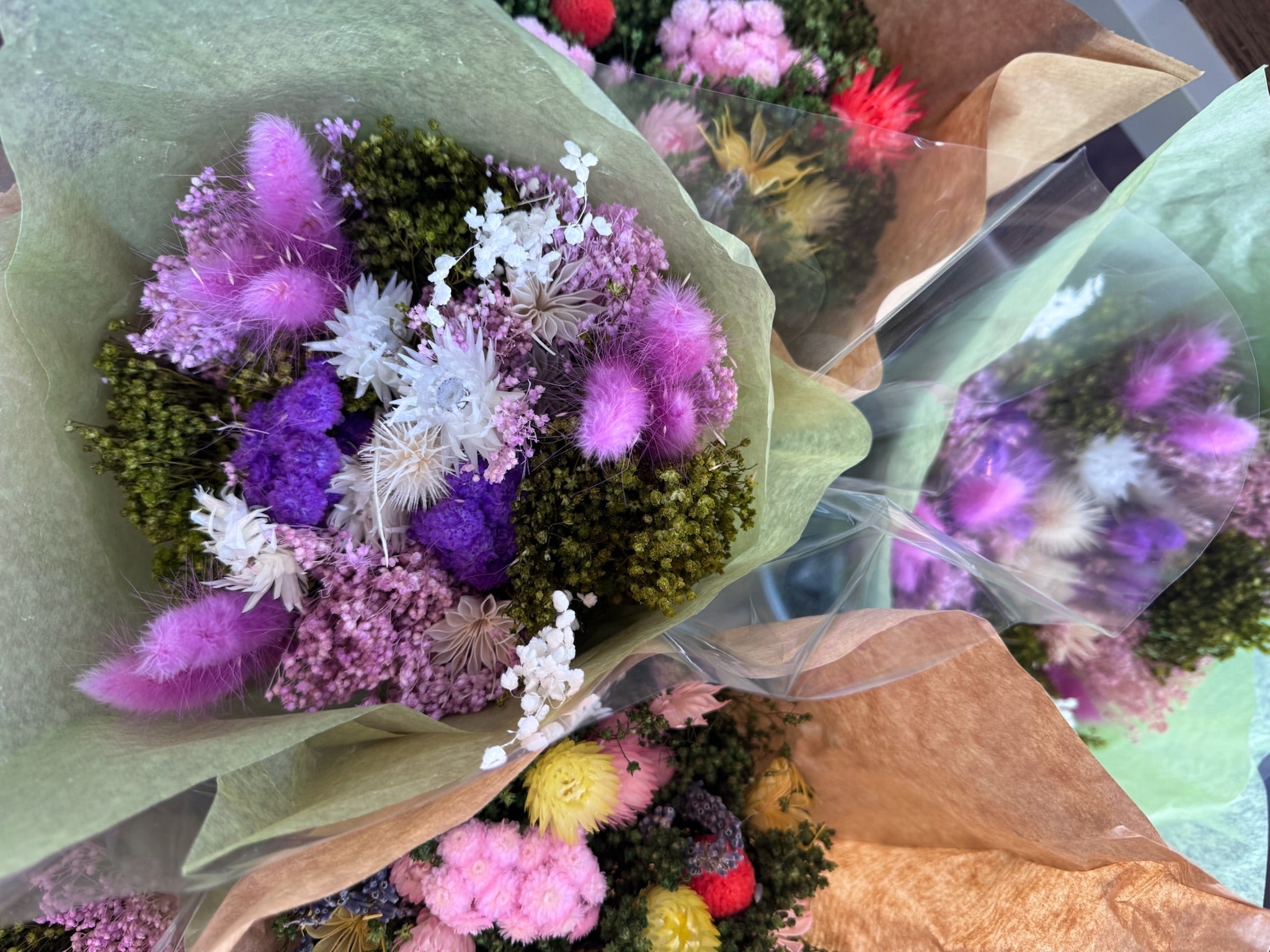
Can you use dried elements in fall wedding bouquets?
Yes. Mixing subtle dried grasses or seed pods with fresh focal blooms adds rich texture to fall wedding bouquets while maintaining a soft, fresh look.